We have seen this before.
LNI is a crisis advisory firm. We work with leaders in the hours that decide how their organisation is seen.
A second look at the risk register
Plans tend to cover the risks already being taken seriously. The useful conversation is usually about the ones that never made the list.
Sequence, not speed
More damage is done by the order things happen in than by the words themselves. Who gets told first, what gets put in writing, and what the company agrees to before it knows enough.
The worst day is not the end
What the organisation does in the quiet months afterwards decides whether the incident becomes a story or a definition.
The same situation, seen from outside it.
The people who know the business best are usually the ones who end up handling the situation. We are close enough to be useful and far enough to see the whole picture.
That knowledge is the most valuable thing in the room and nothing replaces it. What is difficult from inside is to also stand where everyone else is standing and watch the situation the way they are seeing it.
That is the part we hold. We work from the outside in. Because we are not carrying the organisation, we can read where a situation is likely to move, how it will land with the people watching, and which of the options still leaves room to move again.
Both views are needed and neither is sufficient. Yours brings the knowledge, the history and the judgment about what this business can live with. Ours brings the vantage point, and the pattern that comes from doing this continuously rather than occasionally.
LNI has been in business since 2009.
For seventeen years we ran an agency. We built the things a company is judged on. The launches, the campaigns, the words it says in public.
Which meant we were also there on the days it went wrong. Not as a service we sold, but because we already knew the brand well enough to know what was actually at risk.
That work is now our whole business.
LNI is a crisis advisory firm. It is our core focus, and the work is done out of sight. Our clients are the ones seen handling it, not us.
The best time to call us is
earlier than it feels necessary.
Four ways in. Most clients arrive through the third.
We would rather they arrived through the first.
Exposure Audit
An assessment. Where the reputation is thin, who is authorised to speak, what actually happens in the first six hours, and which of your assumptions will not survive the first day.
The point is to find the gaps and the risk points while there is still time to act on them, so the preventive measures, the procedures and the structures are built before they are needed rather than during.
Standing Counsel
An ongoing relationship with a lead who already knows your business. When something happens, the work starts from what we know rather than from a briefing.
Regular review, judgment calls as they arise, and a direct line that is never published.
Response
A live incident. We work alongside your leadership, your counsel and whoever is drafting, from the point we are brought in through to the point where the situation is no longer active.
We take incidents in the order they reach us.
Aftermath
The months after. Rebuilding trust with the people who noticed, closing the gap that let it happen, and deciding what the organisation now says about itself. Tone of voice is part of that. How the organisation sounds afterwards, what it is willing to acknowledge and what it stops saying altogether, is the clearest signal that anything has actually changed.
This is where our seventeen years of building brands stops being history and starts being useful again.
Founder and board counsel
Personal reputation work for the individual rather than the organisation. We have handled countless cases of this kind, arranged privately and never publicised.
Start before you need to.
Every crisis has a pattern.
The specifics are never the same twice. The structure is remarkably consistent, and structure is something you can work with.
A complaint that got escalated once and then went quiet. A former employee's post with a few hundred shares. An auditor's note that was queried and never closed. A reporter asking a routine-sounding question about something from two years ago.
None of it looks like a crisis, because at this stage it is being handled by the people who handle these things, and usually they are handling it correctly. The only difference between this and an ordinary week is what happens next.
We assess what it could become. We map the routes it might take from here and what each one would require. Then we monitor. Most signals stay signals, and the work at this stage is watching, not acting.
A reporter with a deadline and a line that runs at six whether you comment or not. A regulator's letter with a response window. Staff asking in a group chat what they are supposed to tell customers. A board member forwarding a screenshot at midnight. Four demands, four different people answering them, and no two answers quite the same.
The risk here is not saying something false. It is saying something true too narrowly. A first statement calling it an isolated case is the whole story if a second case surfaces on Thursday, because from then on the subject is the denial rather than the original problem. Whatever is said in this window becomes the baseline everything afterwards is measured against, and it is being written on facts that are a few hours old.
We go to the cause and the source, and work out what will contain the exposure or end it. Then we decide what to execute. A statement. A meeting with the authorities involved, initiated by you rather than requested of you. Legal action for a takedown. Third parties worth bringing in. And what gets suspended, against what carries on as normal.
The interview. The statement to the exchange. The resignation, or the decision not to have one. The town hall where three hundred staff are watching to see whether leadership says the same thing internally that it said outside.
The instinct at peak attention is to do something new and immediate, because the pressure is at its highest and doing nothing feels like negligence. Almost always the right move is to execute what was already decided during the rise, precisely, without improvising in front of an audience.
We rehearse the hard questions. We hold the line against last-minute additions. We check that the internal version and the external version are the same version.
Coverage thins out and the organisation exhales. The review promised at the apex slips. The person who stepped aside quietly comes back in a different role. An internal email saying the worst is behind us reaches someone outside the building. Normal marketing resumes a fortnight too early.
Any one of these is a new story, and it is a worse one, because it is now about whether the organisation meant what it said. That is a harder thing to recover than the original problem.
We advise on how to shift sentiment and set the recovery that rebuilds confidence. We track how it moves and follow up the legal course already in motion. We pace the execution so each step lands when it can hold. We track the commitments made at the apex against their dates.
The incident becomes the first thing anyone finds, above everything you have ever published. Search engines keep it because it performed. Bad news is read, shared and linked at a rate ordinary announcements are not, and that is most of what a ranking responds to. Social media keeps it because it was shared, screenshotted and quoted, and each of those copies is its own result. The rest of the footprint keeps it without being asked: forums, comment threads, aggregator posts and domains registered by people who wanted it kept where it can be found.
Nobody inside the organisation experiences this, because nobody inside searches for their own company. The people who do are deciding whether to hire you, fund you, buy from you or work for you. Left alone it stays the top result for years, and every announcement you make afterwards is read against it.
We direct what displaces it. New activity, new positions on the record, new material substantial enough to earn its own coverage, so that what people find first is current rather than historic. We advise on closing the gap that produced the incident, because a second one is never read as bad luck.
Four things we will always tell you.
Sequence before speech.
Who hears it first matters more than how it is worded. Staff before press. Regulator before board statement. Get the order wrong and even a well-written statement lands badly.
Options, not positions.
These situations rarely move the way anyone expects. We build a set of moves against the ways it can turn, so when it shifts you are choosing from something already thought through rather than improvising. Every option we put forward leaves the next one open.
We will say the unpleasant thing.
Sometimes the option that works is the one nobody wants to raise. We will put it on the table so it can at least be weighed. What you do with it is yours.
Nothing we do is publicised.
This is the rule we work by. We do not name clients, sectors or incidents, during or afterwards. In critical moments we work in stealth.
We have seen this before.
Know whose judgment you are relying on.
Crisis counsel is personal. The advice is only as good as the person giving it, and the time to work out whether you trust them is well before you need to.
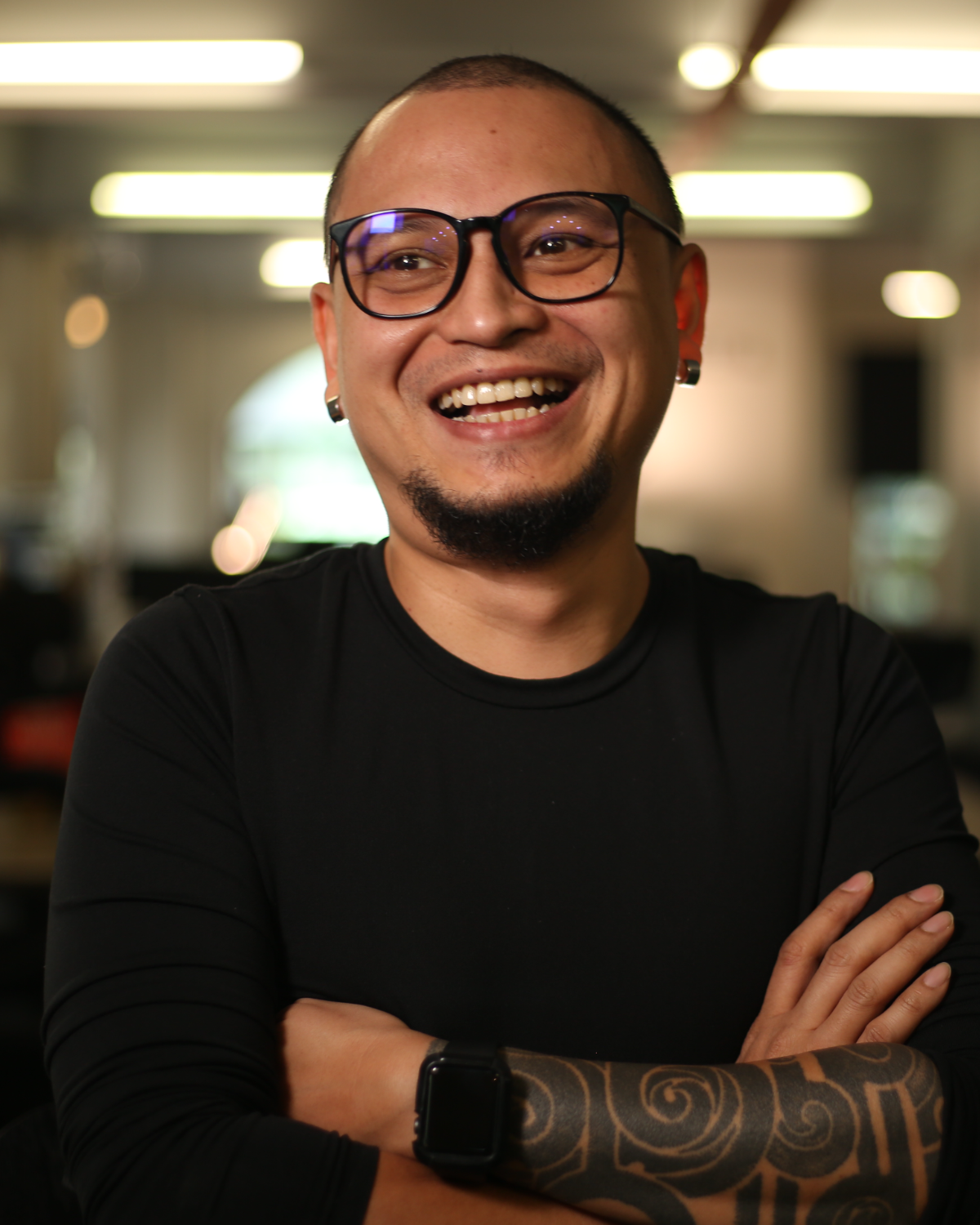
Tim Fernandez
Partner · StrategyTim founded the business in 2009 and ran it as an agency for seventeen years, building brands across Asia. He leads the think tank: the assessment that comes first, and the sequence of response built from it.
He is brought in to say what is actually happening to a room that is too close to it to see. That means reading and anticipating what comes next, and being specific about what can be done and how.
The solution is in the sequence, not only the speed.
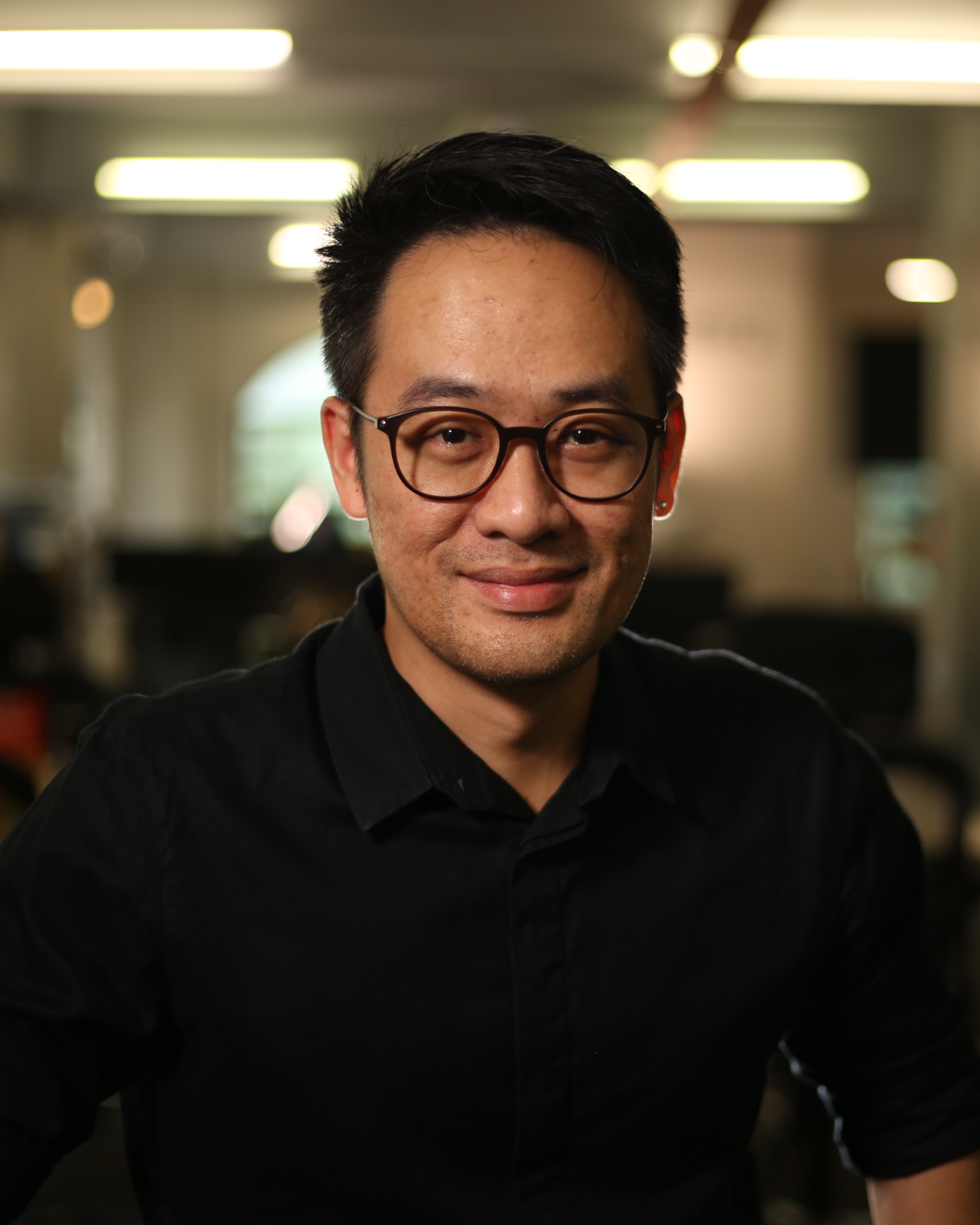
Adam Hui
Partner · IntelligenceAdam co-founded the business and leads readiness, the part that happens when nothing is on fire. Exposure audits, escalation design, and the unglamorous business of finding the gap before somebody else finds it for you.
Adam works behind the scenes. The technology, the monitoring, the sweeps, the search results. Everything that has to be in place before a situation arrives, and everything that has to keep running while it does.
The work is technical. The result is time.
Nothing on fire yet.
Readiness is the cheapest part of this business. It is also the part people skip.
Tell us as little or
as much as you want.
Nothing sent here is logged, forwarded or seen outside this firm. If a situation is already live, mark it below so we read it as one.
Send it before you have the full picture. We do not need a timeline, an agreed internal position, or a view on what should be done. Three things are useful in a first message: what you know, what you are still unsure of, and anything that has already been said in writing or in public.
If you are writing on behalf of someone who cannot write themselves, say so in the first line and tell us who the message concerns.
The door is open on a quiet day too.